Solve Parking Headaches for Kensal Green Moves Fast
Posted on 02/06/2026
Moving in Kensal Green can feel straightforward right up until the van arrives and the parking turns into the real problem. Narrow residential streets, busy main roads, tight bays, shared driveways, and the awkward timing of lift access can all slow a move down fast. If you are trying to solve parking headaches for Kensal Green moves fast, the good news is that most of the stress is preventable with a bit of planning, clear communication, and the right moving approach.
This guide breaks down what makes parking such a pain during local moves, how to reduce delays, and what practical steps actually work on the day. You will also find a clear checklist, a comparison of useful parking strategies, and realistic tips for flats, houses, student moves, office relocations, and last-minute jobs. Truth be told, a smooth move often starts before the first box is lifted.
Why Solve Parking Headaches for Kensal Green Moves Fast Matters
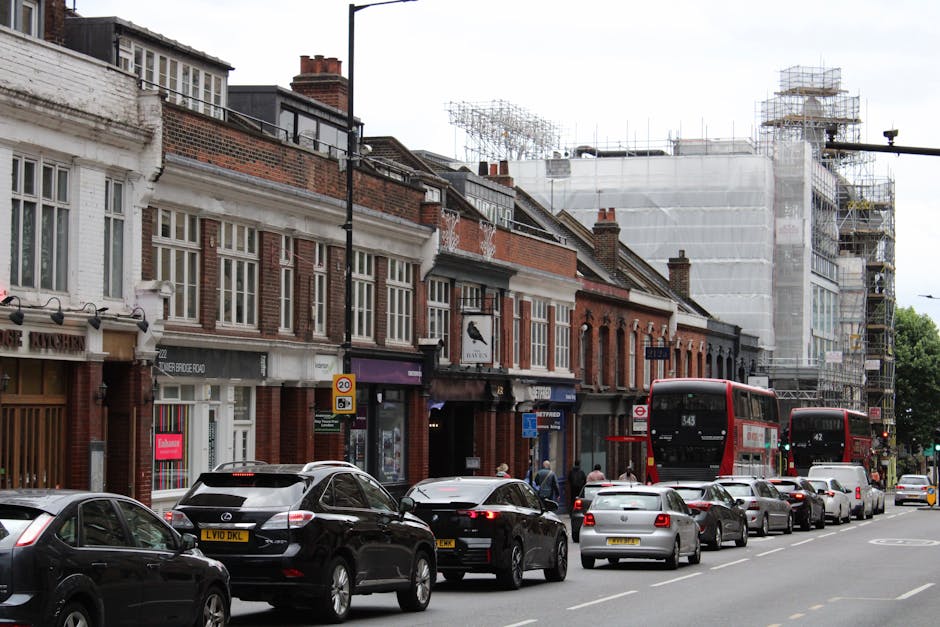
Parking is not a side issue during a move. It affects timing, access, safety, loading distance, and sometimes whether the whole plan stays on schedule. In Kensal Green, where streets can be narrow and spaces disappear quickly, a van that has to circle the block three times can waste more time than a packed hallway ever will.
That matters because moving is usually a chain of small tasks. If parking slips, then lifting starts late, furniture waits on the pavement, neighbours get frustrated, and the job feels harder than it needs to. A short delay can also snowball into missed building access, extra labour, or the awkwardness of carrying a mattress or sofa further than expected.
For that reason, parking planning should be treated as part of the move itself, not an afterthought. If you are also getting ready with a step-by-step packing plan, sorting your boxes and parking together gives you a much calmer moving day. They go hand in hand. Simple enough, but easy to overlook.
There is also a trust element here. A moving team that understands local access patterns, kerb space, loading points, and timing constraints can often work faster with less fuss. That is especially useful if you are using a man and van service in Kensal Green or arranging a larger home move where every minute of roadside access counts.
How Solve Parking Headaches for Kensal Green Moves Fast Works
In practice, solving parking headaches means reducing uncertainty before the move begins. The idea is simple: identify where the vehicle can stop, how long it can stay there, whether the driver can load safely, and what to do if the first spot is taken.
The process usually has four parts:
- Assess the property access - flat entrance, basement steps, front bay, alley access, or rear loading.
- Check the street conditions - width, traffic flow, double yellows, controlled bays, school-run congestion, and turning space.
- Choose the right vehicle and timing - smaller vans can be easier on tight roads, while early arrival can beat the rush.
- Create a backup plan - if the preferred bay is occupied, decide in advance where the next legal stopping point will be.
This is where local knowledge matters. Routes and parking conditions around NW10 can change a lot by time of day. If you want a better sense of traffic patterns as well as van movement, it is worth reading about the best van routes through NW10 during peak hours. It is not glamorous reading, perhaps, but it does save headaches later.
For more delicate loads or awkward furniture, parking position becomes even more important. A shorter carry protects items and reduces fatigue, especially when handling things like beds, wardrobes, or bulky tables. That is why local movers often pair parking planning with specialist handling, such as furniture removals in Kensal Green or a dedicated removal van in Kensal Green.
When the property is a flat, parking can become trickier because lift access, stairwells, and shared entrances may narrow the loading window. In those cases, planning around building access and vehicle placement is often the difference between a tidy move and a long, sweaty queue of boxes on the pavement.
Key Benefits and Practical Advantages
Good parking planning gives you a lot more than just convenience. It changes the rhythm of the whole day.
- Faster loading and unloading - less walking distance means fewer trips and less time spent shuttling items.
- Lower risk of damage - heavy items are easier to carry when the van is close by.
- Less stress for everyone - including the driver, the movers, and the people trying to leave the property.
- Better chance of staying on schedule - which is especially important if keys, cleaners, or building staff are waiting.
- Safer handling - shorter carry distances reduce awkward lifting and sudden turns.
There is a very practical benefit too: parking planning can help you decide what kind of moving support you need. A well-placed bay may be enough for a simple local move. But if the street is tight, the lift is tiny, or there is no reliable stopping space, you may want a more coordinated service such as removals in Kensal Green or removal services in Kensal Green that can adapt quickly.
There is also a calmness benefit people underestimate. When the van is parked properly and the route in and out is clear, the move feels more organised. No one likes the feeling of standing in the street with a sofa and nowhere to go. Been there, done that, never again.
Expert summary: parking is not just about legality. It shapes pace, safety, labour effort, and the overall mood of the move. Handle it well and everything else tends to go smoother.
Who This Is For and When It Makes Sense
This approach is useful for almost anyone moving in or out of Kensal Green, but it is especially helpful if any of the following sound familiar:
- You live on a narrow residential street with limited bay space.
- You are moving from a flat, maisonette, or top-floor property.
- You have bulky furniture, a piano, or awkward items.
- Your move has a tight schedule with keys, handover times, or same-day access.
- You are moving during a busy weekday morning or end-of-month rush.
- You need a fast, practical solution rather than a lengthy full-house coordination plan.
Students often need this most because student moves can be quick, light, and oddly time-sensitive. A small van may be enough, but parking still matters. So does a short load time. If that sounds like your situation, it may be worth looking at student removals in Kensal Green for a more streamlined approach.
Office moves also benefit from parking discipline. A few minutes lost outside an office can turn into disrupted staff access or awkward reception bottlenecks. For that reason, parking planning is just as relevant for commercial jobs as domestic ones, particularly with office removals in Kensal Green.
And if things have to happen quickly, same-day jobs can still be managed well, provided expectations are clear. In those cases, a flexible option like same-day removals in Kensal Green can be the difference between panic and progress. Not fancy. Just effective.
Step-by-Step Guidance
Here is the practical version. Not the polished brochure version, the real one.
- Walk the access route before moving day. Check where the van can approach, where it can turn, and whether there are any awkward corners, low branches, or tight entrances.
- Measure the worst item, not just the room. A sofa, wardrobe, mattress, or piano can change the parking plan entirely if it needs to be carried further than expected.
- Identify legal stopping points. Look for bay restrictions, yellow lines, loading areas, or building rules. If the road is shared or narrow, assume you will need a backup spot.
- Choose the loading order early. Put the biggest and heaviest items nearest the door first if possible. That keeps the first loading phase efficient.
- Pack for speed, not chaos. Label boxes clearly and keep the essentials separate. If you want a refresher, simple decluttering before a move can also reduce the number of trips.
- Reserve extra time for tight streets. Even if the move itself is short, parking can eat time at the beginning. It often does.
- Keep key items easy to reach. Things like parking permits, building codes, keys, and contact numbers should not be buried under a box of kitchen towels.
- Brief everyone on the backup plan. If the first stop is blocked, the team should know what to do immediately instead of debating it on the kerb.
One useful rule: if the carry distance starts to look longer than the van load time, rethink the parking arrangement. That is usually the warning sign.
If you are moving furniture separately, a dedicated schedule can help. For example, bed frames and mattresses are easier to manage when the van is close to the entrance, and the same goes for larger items handled through bed and mattress relocation tips.
Expert Tips for Better Results
A few practical habits make a big difference on the day. These are the small things that experienced movers quietly rely on.
- Arrive early, but not blindly early. Too early can mean standing around; just early enough gives room to adapt if someone is in the bay.
- Use a smaller vehicle where sensible. A compact van can be a better choice than a larger one when streets are tight. Less drama. Less reversing.
- Keep the load list flexible. If parking is awkward, load the most essential items first so the move still succeeds even if time runs short.
- Protect the neighbour relationship. A short apology and a bit of courtesy go a long way when access is temporarily blocked.
- Plan around weather. Rain makes lifting slower and pavement surfaces slicker. A tidy parking position becomes even more valuable.
Let's face it, moving days are rarely perfect. But the more you reduce friction at the roadside, the more energy you save for the actual move. A calm driver, a clear path, and a sensible van position often do more for speed than fancy packing gadgets ever will.
If you are moving fragile or unusually heavy belongings, this is where specialist handling earns its keep. A piano, for instance, is not something to improvise with. It is worth reading about the risks of DIY piano moving and, when needed, using dedicated piano removals in Kensal Green.
For more general safety thinking, it also helps to work with a team that takes handling seriously and follows clear procedures. That kind of mindset is reflected in insurance and safety information and a broader commitment to health and safety policy standards.
Common Mistakes to Avoid
Most parking trouble is not random. It is predictable. Slightly annoying, yes, but predictable.
- Assuming there will be space outside the property. On busy streets, that assumption can waste a lot of time.
- Forgetting about turning space. A van may fit in the road yet still be unable to manoeuvre safely.
- Not checking time restrictions. A bay that is fine at 8 a.m. may be useless later in the day.
- Leaving boxes scattered while parking is being sorted. That creates confusion before the move has even started.
- Trying to carry everything from a bad parking position. Sometimes it is faster to rethink the stop than to push on stubbornly.
- Ignoring neighbours and building staff. A polite heads-up can prevent avoidable friction.
One common mistake in flat moves is underestimating how long the walk from the van to the door will feel. It sounds minor on paper. In reality, three extra trips up a stairwell at 11:30 in the morning, with a muggy corridor and a wobbly box, can feel endless.
Another issue is overpacking the van because parking seems "good enough". That can create unloading delays later, especially if access suddenly changes. Better to load sensibly than to cram and regret it.
Tools, Resources and Recommendations
You do not need a lot of equipment to manage parking well, but a few practical tools help enormously.
- Measuring tape - useful for checking furniture dimensions against van access.
- Phone notes or checklist - simple, but ideal for parking instructions, contact numbers, and timing reminders.
- High-visibility tape or door markers - helpful in flats or shared buildings when multiple teams are working at once.
- Box labels - they speed up unloading so the van can move sooner if needed.
- Protective covers and trolleys - especially useful when the parking position is a bit further away than hoped.
For packing materials and organisation, packing and boxes in Kensal Green can support a faster, more orderly load. If you are moving away from a larger property or juggling temporary storage, a combined plan with storage in Kensal Green may also take pressure off moving day parking entirely.
That storage point is worth pausing on. Sometimes the best solution to parking headaches is not to force everything into one trip. Staggering the move, or storing non-urgent items, can reduce the number of van runs and make tight access much easier to manage.
If you are sorting out a property with items that will not be moved immediately, it can help to read about storage tips for sofas and other large furniture. It is one of those unglamorous topics that pays off later.
Law, Compliance, Standards, or Best Practice
Parking during a move is not just a convenience issue. It also touches on road safety, access rules, and general best practice. In the UK, the key principle is straightforward: a vehicle should be stopped or parked lawfully, without creating danger or unnecessary obstruction.
That means you should pay attention to local restrictions, building rules, and practical safety. If a road is narrow, do not assume it is fine just because someone else has parked there before. Conditions change throughout the day. What worked in the morning may be poor practice later on.
Good movers usually follow a simple standard:
- They choose the safest legal stopping point available.
- They avoid blocking visibility for pedestrians and other vehicles.
- They keep loading areas as clear as possible.
- They communicate before moving the vehicle or shifting to a backup position.
If a property has special access needs, it is sensible to mention that early. This can be important for accessibility, too. A van parked too far away may create unnecessary difficulty for anyone with mobility concerns. Planning with care is not just efficient, it is considerate.
For customers who want to understand the company's broader commitments, pages such as accessibility information, terms and conditions, and privacy policy are helpful trust signals when reviewing a service provider. They do not solve parking, of course, but they do support a more transparent move overall.
Practical takeaway: lawful parking, clear communication, and safe loading are the foundation. Everything else builds on that.
Options, Methods, or Comparison Table
Different parking approaches suit different move types. Here is a simple comparison to help you decide what fits best.
| Method | Best for | Strengths | Drawbacks |
|---|---|---|---|
| Park directly outside | Short local moves, clear residential roads | Fastest loading, shortest carry distance | Often unavailable on busier streets |
| Use a nearby legal bay | Flats, terraced streets, timed restrictions | Usually more realistic, safer than stopping randomly | Longer carry, may need a trolley |
| Stagger the move | Complex jobs, bulky loads, storage transitions | Reduces pressure and van congestion | May take more than one trip or booking |
| Use a smaller van | Tight Kensal Green streets, flats, single-room moves | Easier to park and manoeuvre | Less load capacity per run |
| Book a flexible same-day crew | Urgent, last-minute, or uncertain access | Adaptable if parking changes unexpectedly | Requires clear communication and quick decisions |
There is no single "best" option. The right choice depends on access, property type, load size, and the amount of time you actually have. A well-run move usually mixes two methods, not one. For example, a flat move may use a smaller van and a nearby bay, while a house move may prioritise direct access and a faster loading sequence.
If you are comparing providers, take a look at removal companies in Kensal Green and services overview pages to understand the range of support available. That context helps you choose the right level of help, not just the closest vehicle.
Case Study or Real-World Example
Imagine a typical Kensal Green flat move on a weekday morning. The property is on a residential road with limited on-street space, a narrow entrance, and a shared stairwell. The customer has a sofa, bed frame, mattress, two wardrobes, and a stack of boxes that looked smaller the night before. As usual.
The first challenge is parking. The van cannot stay directly outside, so the team identifies a nearby legal spot with enough room to unload safely. That means the sofa and mattress will travel a little further than ideal, but still within a manageable distance. Because the packing was organised in advance and the biggest items were separated first, the load can be built in a sensible order.
Now here is the useful bit: the move does not become "perfect", but it stays controlled. The team avoids blocking the entire street, the customer is not scrambling for last-minute answers, and the carry distance is predictable. A stressful morning becomes a practical one. Not flawless. Just calm enough to work.
If the same move had included extra clutter or unwanted items, it would have been even smarter to declutter first or, where needed, arrange a house clearance in Kensal Green. Less to move means less time hunting for space, less loading, and fewer chances for something to go wrong.
That is the pattern you see again and again: parking problems get easier when the move itself gets simpler.
Practical Checklist
Use this quick checklist a day before the move. It is simple, but it catches a lot of avoidable issues.
- Confirm the move time and access window.
- Check the street for parking restrictions or loading limits.
- Measure any large furniture that may affect loading distance.
- Decide on the primary parking spot and one backup spot.
- Keep keys, building codes, and contact numbers close at hand.
- Label boxes clearly so unloading is quick and organised.
- Make sure hallways, entrances, and doorways are clear.
- Tell neighbours or building staff if access may be briefly interrupted.
- Prepare weather protection if rain is likely.
- Review the moving plan one final time before the van arrives.
Quick reminder: the faster the loading area is set up, the less parking becomes a problem. It is one of those boring truths that saves the day.
Get a free quote today and see how much you can save.
Conclusion
Parking headaches are one of the most common reasons a Kensal Green move feels harder than it should. But they are also one of the easiest problems to reduce when you plan early, keep the load organised, and choose the right van position for the street and property. A sensible parking plan protects your time, your belongings, and your energy.
If you are moving in a tight part of NW10, or you simply want the day to feel more controlled, focus on the basics: legal access, short carry distances, clear communication, and a backup plan. That alone solves a surprising amount. And if the move is especially awkward, there is no shame in leaning on a service that understands the local streets and can move quickly without cutting corners.
At the end of the day, a good move is not about looking effortless. It is about feeling manageable. That is the real win.