Kensal Green Station to College Road Man with Van Routes: A Practical Local Guide
If you are planning Kensal Green Station to College Road man with van routes, the journey looks simple on paper but can become a bit fiddly once you factor in station traffic, parking, loading access, and the timing of your move. That is usually where the stress starts. The good news? With the right route planning, a sensible pickup window, and a van sized for the job, this kind of short London move can be smooth, quick, and far less disruptive than people expect.
This guide breaks down how the route works, why it matters, what to watch for, and how to make the process easier whether you are moving a few items, a small flat, or business equipment. You will also find a checklist, a comparison table, and a realistic example so you can judge what is best for your situation.
Why Kensal Green Station to College Road man with van routes Matters
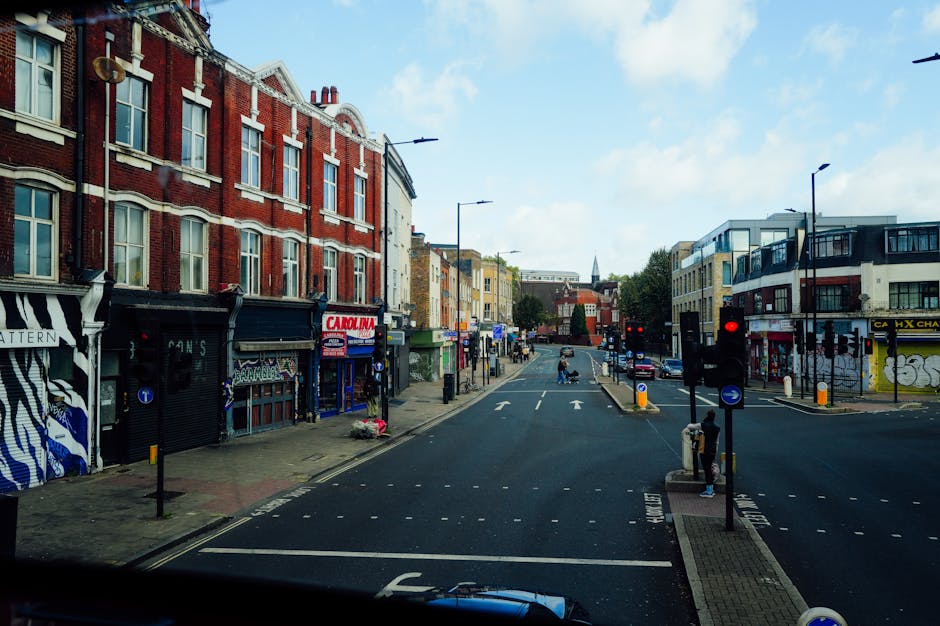
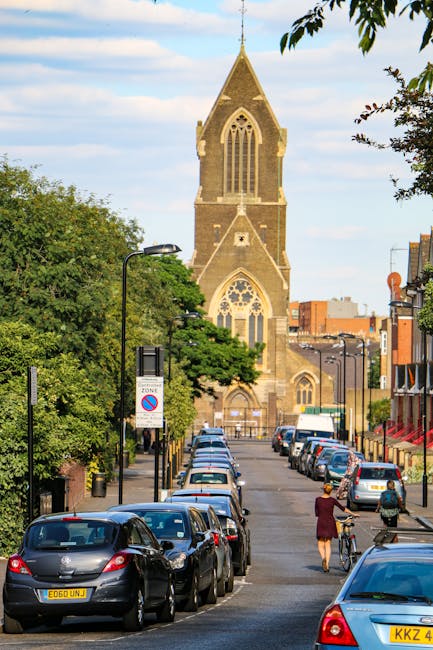
Short urban routes are often underestimated. Kensal Green Station is a busy transport point, and College Road can be awkward at peak times depending on the exact pickup or drop-off position. In a man and van move, the route is not just about getting from A to B; it is about getting there without wasting time, circling for parking, or blocking access when you do finally arrive.
For local moves, route choice has a direct impact on the whole experience. A route that looks shortest on a map is not always the fastest once you account for junctions, bus lanes, traffic calming, school runs, or waiting restrictions. That is especially true in London, where a ten-minute delay can easily become half an hour if you arrive at the wrong moment. To be fair, that is just life in the city.
Another reason it matters is handling. If you are moving furniture, boxed belongings, or office kit, every extra stop or bad turn increases the chance of damage. A good route helps reduce sharp braking, awkward reversing, and rushed unloading. It also makes the job feel calmer, which honestly counts for more than people admit.
If you are comparing moving options, it can help to look at broader services too, such as man with van, man and van, or more full-scale removal services depending on how much you need to shift.
How Kensal Green Station to College Road man with van routes Works
In practical terms, this route is usually a local collection-and-delivery job. The driver arrives near Kensal Green Station, loads items safely, then heads towards College Road using the best available street pattern for the time of day and the van size. Simple, yes. But the devil is in the details.
A good route plan typically considers four things:
- Loading access near the station pickup point.
- Parking or stopping space near College Road.
- Traffic flow during the chosen time slot.
- Item size and handling, especially if the van needs rear or side access.
In many cases, the most efficient route is not the one you would instinctively pick as a local driver. It is the one that allows a van to stop safely, keep walking distance short, and avoid an unnecessary loop back. That is why experienced movers tend to think in terms of access first and distance second. A few extra minutes on the road can save a lot of time on the pavement.
If your move is more than a handful of boxes, you may want to look at related options like moving van or removal van hire, especially if you need a vehicle with a bit more room.
Key Benefits and Practical Advantages
The main appeal of a man with van route between Kensal Green Station and College Road is flexibility. You can book for a small or medium job without paying for a huge removals team when you do not need one. That tends to suit London moves where the load is compact but still too much for a car boot run.
Here are the most useful benefits in real terms:
- Speed: Local routes can often be completed quickly when planned properly.
- Cost control: You pay for the vehicle size and support you actually need.
- Less hassle: No need to organise multiple trips yourself.
- Safer lifting: Heavy or awkward items are handled by someone used to moving them.
- Better timing: A good operator can work around the station area and nearby restrictions.
There is also a human benefit that gets overlooked. A well-organised local move feels less like a life interruption. You are not staring at a mountain of furniture wondering where to begin. Somebody else is taking the load off, literally and mentally. That is a nice thing on a Tuesday morning, or frankly any morning.
If you are moving home, services such as home moves, house removals, and house movers may also be relevant if the job is bigger than a single-van local transfer.
Who This Is For and When It Makes Sense
This type of route is ideal for people who need a straightforward point-to-point move without the complexity of a full relocation. Typical users include flat movers, students, renters, small business owners, landlords, and anyone collecting bulky purchases from one part of the area to another.
It makes sense when:
- you have a small flat move or room move
- you are transporting furniture, boxes, or appliances
- you need same-day or short-notice help
- you are moving office items between addresses
- you want a local service that understands street access
It may be less suitable if your move involves multiple floors, many fragile items, or a long list of household contents. In that case, a broader team through removals near me or a dedicated removal company may be a better fit.
A quick rule of thumb: if you can describe the job in one breath, a man and van route is probably worth considering. If you need two cups of tea and a whiteboard, maybe not.
Step-by-Step Guidance
Here is the cleanest way to approach a Kensal Green Station to College Road collection or delivery.
- List everything you need moved. Be precise. Boxes, chairs, mirrors, mattresses, desks, tools, the lot.
- Check the access points. Look at where the van can stop safely near both ends of the route.
- Choose the right vehicle size. A van that is too small means extra trips; too large can create parking problems.
- Set a realistic time window. Avoid peak congestion if you can. Early morning or mid-afternoon often works better than the school-run crush.
- Pack items properly. Wrap fragile items, tape boxes securely, and keep small loose items together.
- Confirm the loading order. Heavier items first, fragile items protected, essentials accessible.
- Prepare for unloading. Make sure the destination is ready, with doors open and clear space available.
That last one is a biggie. You do not want to arrive with a van full of furniture and then spend ten minutes hunting for keys, building access codes, or a clear path through the hallway. Been there, seen it, not ideal.
If you want help with the packing side as well, packing and unpacking services can be a sensible add-on for busy households or offices.
Expert Tips for Better Results
A smooth move is usually the result of small, sensible decisions rather than one big clever trick. The following tips make a real difference on local London routes.
- Book with the load in mind, not the fantasy version. People often underestimate what they own. Everyone does it. The cupboard somehow contains three more bags than expected.
- Take measurements before moving day. Doorways, stairwells, sofa length, fridge height. It saves awkward surprises.
- Pre-label boxes by room and priority. That way the unloading is tidy and faster.
- Keep a clear item list for the driver. It helps with planning and pricing.
- Choose a pickup time that avoids the obvious rush. In urban areas, even a small delay can ripple through the whole job.
- Use proper protection for fragile goods. Bubble wrap, blankets, and sturdy cartons really do matter.
Expert summary: for short local routes, the biggest gains usually come from access planning, accurate load estimates, and not rushing the handover. The route itself matters, but the setup around it matters just as much.
If you are handling an office move, it is often worth looking at office removals or office relocation services to make sure equipment and documents are moved with the right level of care.
Common Mistakes to Avoid
Most route problems are avoidable. They usually come from rushing the plan or assuming the driver will magically sort everything out on arrival.
- Ignoring station congestion. Busy transport areas can be slower than expected, especially at peak times.
- Booking the wrong van size. Too small means wasted time; too large can be awkward in tight streets.
- Not checking parking options. A van may need a better stopping point than a regular car.
- Leaving packing until the last minute. This is a classic move, and not in a good way.
- Forgetting dismantling needs. Beds, tables, and shelving sometimes need to be taken apart first.
- Failing to tell the mover about stairs or lifts. Access details affect timing and handling.
Another subtle mistake is assuming all man and van jobs are identical. They are not. A furniture pick-up, a student move, and a small office transfer may all use a van, but the planning behind each job is different. Tiny differences, big consequences.
Tools, Resources and Recommendations
You do not need a van full of gear to make this work, but a few basic items help enormously. Think practical, not overcomplicated.
- Measuring tape for furniture and access points
- Marker pens and labels for boxes
- Furniture blankets to protect surfaces
- Strong tape and stretch wrap for secure packing
- Reusable bags or tubs for loose household items
- Mobile phone notes with contact details, addresses, and timing
For the service side, useful pages to review before you book include pricing and quotes, insurance and safety, and health and safety policy. Those pages help set expectations around how a professional mover should operate.
If you are moving heavier or awkward items, removal van and movers pages are also worth a look. For disposal or rehoming of a single bulky piece, furniture pick up may be the better fit.
Law, Compliance, Standards, or Best Practice
For this kind of local moving work, the main concern is not legal drama; it is safe, responsible practice. A reputable mover should operate with appropriate insurance, basic lifting safety, and respect for local road rules and parking restrictions. That sounds obvious, but let's face it, obvious things are often the first to get skipped.
In practical UK terms, you should expect the business to be transparent about its terms, payment process, and safety approach. If goods are being handled, packed, or carried through shared spaces, care should be taken to avoid damage and nuisance. If parking is tight around the station or College Road, the move should be planned so the van can stop lawfully and safely rather than making risky assumptions.
Best practice also means clear communication. You should know what is included, whether there is help with loading and unloading, and how the job will be priced. If something is unclear, ask before moving day. That is not being awkward. That is being sensible.
For extra confidence, review terms and conditions, payment and security, and recycling and sustainability so you understand how the service handles responsibility, payment, and waste-aware practices.
Options, Methods, or Comparison Table
If you are unsure whether a man with a van route is the right choice, it helps to compare the common options side by side.
| Option | Best for | Strengths | Possible drawbacks |
|---|---|---|---|
| Man with van | Small to medium local moves | Flexible, cost-conscious, quick to arrange | Less suited to very large house moves |
| Removal van | Heavier loads or fuller vans | More space, better for bulk items | Can be less nimble in tight streets |
| Full removal service | Larger or more complex moves | More support, less lifting for you | Usually more expensive and more structured |
| Furniture pick-up only | Single item collection | Simple and efficient for one-off items | Not ideal for mixed household loads |
The right choice depends on volume, access, and how much help you want on the day. If you are mainly moving a few items between Kensal Green Station and College Road, the first option often fits best. If you have a full flat or office load, you may need something broader.
Case Study or Real-World Example
Here is a realistic example. A renter near Kensal Green Station needs to move a bed frame, mattress, two bookcases, six boxes, and a small desk to College Road. Nothing enormous, but too much to manage comfortably by car. The pickup is timed for mid-morning, after the early rush but before the afternoon school traffic builds.
The mover checks access first. The pickup point allows short stopping space, but not long idling. The destination has a narrow residential street, so the van needs to arrive only once the recipient is ready to unload. The desk is wrapped, the bed frame is dismantled, and boxes are labelled by room. The whole job is loaded in a sensible order so the heaviest pieces go in first and the fragile stuff stays protected.
What went well? Planning, mostly. What could have gone wrong? Plenty. If the client had guessed the timing wrong, the van might have been stuck waiting. If the bed frame had not been dismantled, the stairwell might have turned into a small battleground. Instead, it stayed calm. Slightly sweaty, maybe, but calm.
That is the real value of good route thinking. It turns a potentially chaotic local move into a clean transfer that feels almost ordinary.
Practical Checklist
Use this checklist before booking or moving.
- Have I listed every item that needs moving?
- Do I know the access details at both addresses?
- Have I measured large furniture and doorways?
- Is the van size suitable for the load?
- Have I checked the timing around station traffic and parking?
- Are fragile items packed and labelled?
- Do I know whether help is needed for loading and unloading?
- Have I reviewed the booking terms and payment details?
- Is the destination ready for delivery?
- Have I left a little buffer time for the unexpected?
Practical takeaway: if you can answer all ten points confidently, your Kensal Green Station to College Road move is already in a much better place.
For a smoother booking journey, you can also review about us to understand the company background, or use contact us if you want to discuss a specific route or access issue.
Get a free quote today and see how much you can save.
Conclusion
Kensal Green Station to College Road man with van routes work best when the move is planned with real London conditions in mind. The shortest route is not always the smartest one, and the cheapest option is not always the one that saves you time or stress. Once you understand access, vehicle size, and timing, the whole job becomes much easier to manage.
Whether you are moving a few household items, a student room, or office equipment, the key is to keep things simple, clear, and realistic. That is usually enough. And if you do that, the day tends to go better than expected, which is always a nice surprise in a city that likes to keep you on your toes.
Sometimes a well-run local move is just one of those small wins that makes the week feel lighter.
Frequently Asked Questions
What is a man with van route from Kensal Green Station to College Road?
It is a local collection-and-delivery journey where a van and driver transport items between Kensal Green Station and College Road. The route is planned around access, timing, and load size rather than just distance.
How long does the trip usually take?
That depends on traffic, parking, the exact pickup and drop-off points, and how quickly items can be loaded and unloaded. In London, a short trip can still take longer than expected if the timing is poor.
Is this route suitable for a small flat move?
Yes, often it is. A man and van service is usually a good fit for studio or one-bedroom moves, especially where the load is moderate and the access is manageable.
Do I need to dismantle furniture before the move?
Not always, but it often helps. Beds, shelving, and larger tables may need partial dismantling to fit through doors and make loading safer. Check this in advance rather than on the morning itself.
What size van do I need?
That depends on the volume and shape of your items. A few boxes and small furniture pieces may fit a standard van, while a fuller household load may need something larger.
Can a man and van service handle office equipment?
Yes, for smaller office moves or equipment transfers it can be a practical choice. For larger relocations, a more structured office removals service may be more suitable.
How do I avoid parking problems near the station?
Plan the pickup time carefully, confirm stopping options, and let the mover know about any restrictions or tight access. The earlier you think about parking, the less likely you are to get stuck.
Is it cheaper than hiring a full removal company?
Often it is for smaller jobs. A man with van route usually suits compact moves better, while a full removal company can be better value for larger, more complex moves.
What should I tell the mover before booking?
Share the number of items, access issues, stairs, lift availability, parking concerns, and any fragile or heavy pieces. The more accurate the information, the better the planning.
Can I use this service for single-item furniture pick-ups?
Yes, and that is one of the most common uses. It can be ideal for a sofa, bed, wardrobe, or other bulky item that is awkward to collect yourself.
What if my collection point is right by a busy station?
That is exactly when route planning matters most. A professional mover should think carefully about timing, access, and safe stopping points so the job can be completed without unnecessary delays.
Where should I start if I am still comparing options?
Start with the job size, access, and timing. Then compare a man with van, a removal van, or a broader removal service to see which one fits best. A little planning goes a long way, honestly.