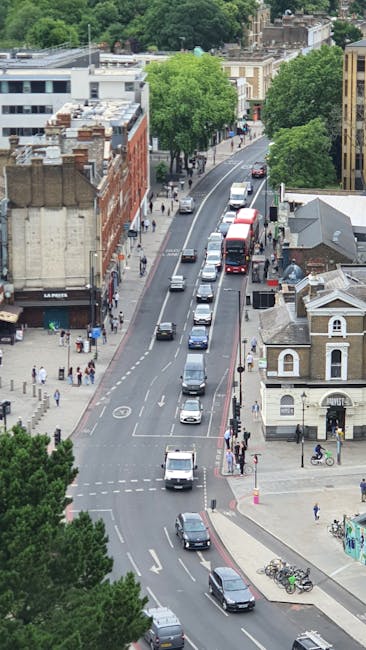
Harrow Road Kensal Green Loading Access Guide for Removals
If you are planning a move and trying to work out the Harrow Road Kensal Green loading access guide for removals, you are probably dealing with the awkward bit nobody enjoys: where the vehicle can stop, how long it can stay there, and whether the street will actually let a van load without turning the day into a parking headache. Truth be told, that is where many removals go sideways. Not because the lifting is hard, but because access is tighter than expected.
This guide brings the practical side into focus. You will find out how loading access usually works around Harrow Road and the wider Kensal Green area, what to check before moving day, how to reduce delays, and which choices make life easier if you are moving a flat, a family home, or even a small office. Keep it simple, plan ahead, and the whole process becomes a lot less stressful.
Why Harrow Road Kensal Green Loading Access Guide for Removals Matters
Loading access sounds like a small detail until you are standing on the pavement with a sofa, a mattress, and a van that cannot get close enough to the door. Harrow Road and nearby streets in Kensal Green can be busy, tight, and changeable through the day. A space that looks fine at 8am may be useless by lunchtime if local traffic, delivery vehicles, or parking restrictions get in the way.
For removals, access matters because every extra metre between the front door and the vehicle adds time, effort, and risk. More carrying means more chance of damage, more chance of somebody getting tired or rushed, and a much higher chance of small delays stacking up. And once the move starts to slip, it rarely slips politely.
This is also about courtesy. If you block a loading bay, sit in a bay too long, or assume the van will just fit "somewhere nearby", you may upset neighbours, attract attention from enforcement, or cause the driver to start improvising. To be fair, improvising is part of removals sometimes. But not as a plan.
In practical terms, a good loading access plan helps you:
- keep the van close to the property;
- reduce carrying distance for heavy items;
- save time on both loading and unloading;
- avoid unnecessary parking fines or warnings;
- protect walls, floors, and furniture from extra handling.
If you are comparing moving options, access is often the difference between a smooth half-day move and an exhausting all-day scramble. It is a small bit of planning with a very large payoff.
How Harrow Road Kensal Green Loading Access Guide for Removals Works
At its core, loading access means making sure the removal vehicle can stop legally and safely close enough to the property to load or unload belongings efficiently. Around Harrow Road, that can mean using a marked bay, a permitted waiting area, a driveway if there is one, or a carefully timed roadside stop where the driver remains with the vehicle.
The exact method depends on the street layout, the time of day, and the type of move. A ground-floor flat on a wider stretch of road is one thing. A top-floor walk-up on a busy section with no driveway is another. That is where local awareness matters. You do not need every answer on day one, but you do need the right questions.
There are usually three moving parts:
- Vehicle access: Can the van get near enough without causing a problem?
- Loading permission: Is stopping there allowed, and for how long?
- Physical access: Can items move from the property to the van without obstacles like steps, narrow entrances, or shared hallways?
In our experience, the most reliable approach is to treat access as part of the move itself, not as an afterthought. A removal team may be able to work quickly, but only if the surrounding conditions let them do that. If the van is parked two streets away, the whole schedule changes. Simple as that.
For people who want a wider service context, it can help to look at the type of move first. A family house move, for example, may need a larger vehicle and more time on site, while a smaller local job might suit a man and van setup better. For a full-service approach, you can also compare broader removal services and decide what fits the property and the access conditions.
Key Benefits and Practical Advantages
Good loading access planning is not just about avoiding hassle. It changes the whole feel of moving day. You notice it in the pace, in how calm the team stays, and in how much energy you still have at the end of the day.
- Faster loading: Shorter walking distance means fewer wasted trips.
- Lower physical strain: Heavy items are handled less times, which is good for everyone's back and patience.
- Better item protection: Furniture is less likely to pick up scrapes when the route is short and clear.
- Less stress: No one enjoys the "where exactly are we parking?" conversation at 7:30 in the morning.
- More accurate timing: When access is sorted, the rest of the timetable becomes much easier to trust.
There is also a financial angle, though it should be treated carefully. Poor access can mean longer labour time, extra vehicle time, or a second trip if the load is not completed in one go. You do not always see that cost immediately, but it tends to show up somewhere. Planning well is often the cheaper option, even if it takes a bit longer before the move.
Another quiet advantage is neighbour management. If you keep the stop short, organised, and tidy, people are less likely to complain. That matters more than many realise. A move that starts with a blocked junction or a grumpy resident tends to feel harder from that point on. Nobody wants that on a Tuesday morning.
For movers handling delicate items or larger loads, access planning also supports better service choices. A small access route may point you toward a more compact van, while a larger property could justify a moving van or even a moving truck depending on volume and road conditions.
Who This Is For and When It Makes Sense
This guide is for anyone moving to, from, or within Kensal Green who expects the vehicle to load from a street like Harrow Road or one of the nearby side roads. That includes renters, homeowners, landlords, office managers, and people handling last-minute moves with a bit of panic and a lot of boxes. We have all seen that look.
It makes particular sense if:
- your property is on a busy or narrow road;
- there is no private driveway or forecourt;
- you need a quick turnaround for collection or delivery;
- you have heavy furniture, appliances, or awkward items;
- you are worried about parking restrictions or timing;
- you are moving during peak traffic hours;
- you want to avoid trying to guess the local rules on the fly.
It also makes sense for people who are not moving much but still need practical transport help. A single sofa, several office chairs, or a partial clear-out may not need a full removal crew. In those cases, the right access plan lets a smaller team work efficiently without overpaying for a bigger setup than necessary.
If your move includes packing help, storage-like handling, or dismantling furniture before loading, the access plan becomes even more valuable. An organised start outside the building makes the inside job easier too. Funny how that works, really.
Step-by-Step Guidance
Here is a simple way to approach loading access for a Harrow Road or Kensal Green removal without overcomplicating it.
1. Walk the route from the front door to the road
Start inside the property and trace the actual carrying path. Look for stairs, narrow hallways, tight corners, low ceilings, shared entrances, and awkward door swings. Then continue outside and check whether there is a clean stopping point for the vehicle. This is where people often get caught out: the street may look fine from the pavement, but the path from flat to van is the real test.
2. Identify likely loading spots early
On the day before the move, think about where the van could legally and safely stop. Is there a marked bay nearby? A place where a vehicle can wait briefly? A clear forecourt? A side street that may be easier than the main road? You are not trying to solve everything perfectly. You are trying to remove uncertainty.
3. Check timing against traffic and restrictions
Traffic flow in London can change fast, and Harrow Road is no exception. Early morning may feel calmer, while school runs, rush periods, and delivery windows can make things more complicated. If possible, choose a time when the road is likely to be less pressured. Even half an hour can make a real difference.
4. Match the vehicle to the access conditions
A larger truck is not always better. If the road is tight, a more compact van may be easier to place and manoeuvre. On the other hand, if you are moving a full household from a property with good frontage, a larger vehicle may reduce trips and save time. Matching the vehicle to the access is one of those boring decisions that ends up feeling very clever later.
5. Prepare items for fast loading
Everything should be labelled, grouped, and ready to move before the vehicle arrives. If the team has to wait while you hunt for keys, cords, or loose items, the loading window gets shorter. A calm, prepared departure always helps. It sounds obvious, but on moving day obvious things have a habit of disappearing.
6. Keep a backup plan
If the planned loading point is blocked, what is the next option? A nearby side street? A brief pause while someone checks a different bay? A different collection time? A good mover plans for a Plan B because street conditions change. That is just life in an urban area.
For some moves, specialist local help can also make the process easier. If your route or timing is tricky, articles like avoid loading bay fines during Kensal Green removals and solve parking headaches for Kensal Green moves fast are useful companions to this guide.
Expert Tips for Better Results
After enough local moves, a few patterns become pretty clear.
- Measure the awkward bits. Door widths, stair turns, and lift sizes matter more than people expect.
- Keep the first load flexible. Start with items that are easiest to carry and easiest to stack. It sets the rhythm.
- Protect the route. Old blankets, floor protection, or simple covers can save time if the path is tight or weather is damp.
- Load by weight and access. Put heavier or more fragile items where they will not be pinned in awkwardly.
- Use clear labels. The quicker the team knows where something goes, the less time is spent standing around.
- Keep the pavement clear. It sounds small, but a tidy entrance helps everyone move faster and lowers the chance of complaints.
A small practical tip that often gets overlooked: have keys, access codes, and entry instructions ready before the vehicle arrives. Nothing eats into a moving slot quite like somebody saying, "Hang on, I think the spare key is in a drawer." We have all seen that scene. Never ideal.
If your move involves more than standard household items, the surrounding service choice matters too. Some people benefit from packing and unpacking services, while others just need a clean, simple transport option with decent timing and access planning.
Common Mistakes to Avoid
The mistakes are usually not dramatic. They are small, practical missteps that pile up.
- Assuming the van will fit anywhere: Street width, parked cars, and turning space can change that quickly.
- Leaving loading until the rush hour: Even good drivers struggle when traffic is heavy and space is limited.
- Ignoring local restrictions: A short stop can still be the wrong stop if the bay or road markings do not allow it.
- Underestimating the walk: A "short carry" from the pavement may turn into many repeated trips.
- Not telling the removals team about access issues: If they do not know, they cannot plan properly.
- Forgetting building access: Locked entrances, lifts out of service, or shared hallways can slow everything down.
The biggest one, honestly, is overconfidence. People often know their own street well, so they assume the move will be straightforward. But a street you walk every day and a street you are trying to load a van on are not the same thing at all.
Another common snag is failing to think about the return trip. If the vehicle has to move away and come back, the stop may be lost. That is where timing gets messy. Better to keep the plan tight from the outset.
Tools, Resources and Recommendations
You do not need a van full of specialist gear to handle loading access well, but a few basic tools and bits of preparation make life easier.
| Tool or resource | Why it helps | Best use case |
|---|---|---|
| Measuring tape | Checks furniture sizes, doorways, and stair turns | Before the move and for awkward items |
| Labels and marker pens | Speeds up loading order and room placement | When multiple boxes or rooms are involved |
| Protective blankets | Helps prevent scuffs on furniture and walls | Narrow hallways or rough loading routes |
| Trolley or sack truck | Reduces heavy lifting over short distances | Flat surfaces and heavier boxes |
| Mobile phone charged and ready | Keeps communication open if the plan changes | When the loading point needs to be adjusted quickly |
For service comparisons, it can help to review the wider move setup. Some readers will only need man with a van support, while others will want a more complete package from a removal company. If you are collecting quotes, it is worth reading about pricing and quotes so you understand what is included and what could add cost later.
One more practical recommendation: keep all building notes in one place. A shared message, a phone note, or a paper sheet by the door can work. The method is less important than having it ready. In the middle of a move, memory becomes a very unreliable assistant.
Law, Compliance, Standards, or Best Practice
Loading access is not just a convenience issue. In London, it can overlap with parking controls, local traffic management, property rules, and general road safety expectations. You do not need to become a legal expert to move house, but you do need to respect the space you are using.
Best practice usually means:
- stopping only where it is permitted;
- keeping the vehicle attended where required;
- avoiding obstruction of driveways, crossings, or pedestrian routes;
- following any building instructions or access rules;
- making sure the moving team understands the site conditions before arrival.
If a permit, loading bay rule, or timing restriction may apply, check it early and confirm the detail rather than assuming. That kind of assumption is expensive. Not always in money, sometimes just in time and frustration.
It is also sensible to pay attention to health and safety expectations. Carrying heavy items through a tight entrance, around vehicles, or up stairs is physically demanding. A professional mover should use safe lifting methods, communicate clearly, and pace the job realistically. If things feel rushed or unsafe, slow down. There is no prize for forcing a sofa through a doorway too quickly.
For readers who want to understand service standards and responsibility a little better, the company's own health and safety policy, insurance and safety information, and terms and conditions are the sorts of pages worth checking before booking. Those details are often where the sensible questions are answered.
Options, Methods, or Comparison Table
Different access situations call for different approaches. Here is a simple comparison that may help you decide what suits your move.
| Method | Best for | Pros | Watch out for |
|---|---|---|---|
| Kerbside loading near the property | Short local moves with decent road space | Fast, efficient, less carrying | Parking restrictions and traffic changes |
| Side-street collection | Busy main roads with tighter access | Often easier to stop safely | Longer carrying distance |
| Driveway or private forecourt loading | Homes with private access | Very convenient and usually quicker | Vehicle size and turning space still matter |
| Smaller van with multiple trips | Narrow streets or limited stopping space | More flexible in tight areas | Can take longer overall |
| Larger vehicle for one-load efficiency | Larger moves with better roadside access | Fewer journeys, simpler unloading | Harder to place if the road is cramped |
There is no perfect option for every road and every property. The better question is: which method fits the access you actually have? That answer saves more stress than trying to force a one-size-fits-all plan.
If your route is especially awkward, local guidance can make a noticeable difference. Some people benefit from route-specific advice, such as the information in Kensal Green Station to College Road man with van routes or narrowstreet removals on Chamberlayne Rd Kensal Green. Those sorts of practical route notes are surprisingly useful when the road is doing half the decision-making.
Case Study or Real-World Example
Imagine a typical flat move on a weekday morning. The property is near Harrow Road, the stairwell is narrow, and the entrance is shared. The resident expects the van to stop right outside, but the road is already busier than they hoped. A delivery vehicle is parked nearby, and a second one arrives while the team is preparing the trolley. Not ideal.
Instead of forcing the original plan, the mover shifts the collection point to a nearby side street with better space, then carries items the extra distance in smaller, organised loads. It takes a little more walking, yes, but the loading itself becomes calmer. The team protects the furniture better, the resident avoids arguing over a blocked bay, and the move stays on schedule.
That is the kind of adjustment that turns a difficult day into a manageable one. Not glamorous, just effective.
Another small real-world detail: on a damp morning, pavements and thresholds are less forgiving. A little drizzle, some cardboard boxes, and a busy kerbside can become awkward very quickly. That is why experienced teams do not just look at the map; they look at the weather, the time, and the actual street conditions when they arrive.
Practical Checklist
Use this checklist to prepare your loading access plan before moving day.
- Confirm the property address and exact entrance used for loading.
- Check the nearest legal stopping point for the vehicle.
- Look for parking restrictions, loading limits, or bay markings.
- Measure any awkward doorways, stairs, lifts, or tight turns.
- Decide whether a smaller van or larger removal vehicle is more suitable.
- Prepare labels, keys, access codes, and contact numbers.
- Pack items so the first load is easy to identify and move.
- Plan a backup stopping point in case the first option is blocked.
- Tell the removals team about stairs, walk distances, and shared entrances.
- Keep the pavement and doorway as clear as possible on the day.
Expert summary: the best loading access plan is usually not the fanciest one. It is the one that matches the street, the property, and the timing without creating surprises. Simple, clear, and a bit boring. That is exactly what you want on moving day.
Get a free quote today and see how much you can save.
Conclusion
Getting the Harrow Road Kensal Green loading access guide for removals right is really about removing uncertainty before it gets in the way. If you know where the van can stop, how the route works, and what the street will realistically allow, the whole move becomes steadier. Less rushing. Fewer surprises. Better outcomes.
The main lesson is simple: treat access as part of the move, not a side issue. Check the route, match the vehicle, allow for restrictions, and keep the team informed. That small bit of preparation can save a surprising amount of time and stress. And honestly, on a moving day, calm is worth a lot.
When you are ready, a thoughtful quote and a clear access plan will do more for your move than any amount of last-minute hope. That is the quiet truth of it.
Frequently Asked Questions
What does loading access mean for removals on Harrow Road?
It means the vehicle can stop close enough to the property for furniture and boxes to be loaded safely and efficiently. On a busy road, that may involve a bay, a permitted stop, or a nearby side street depending on what is available.
Do I need a permit for loading near Kensal Green?
Possibly, depending on the exact road, bay type, and timing. Rules can vary, so it is better to check the local restrictions in advance rather than assuming a short stop will be acceptable.
Is a smaller van better for narrow streets?
Often, yes. A smaller van can be easier to position on tight roads and may reduce the risk of blocking traffic. That said, if the move is large, a bigger vehicle may still be more efficient if access allows it.
What time of day is best for loading access in Kensal Green?
Earlier, calmer hours are often easier because there tends to be less traffic and fewer competing road users. The best time still depends on the street, so a little local judgement goes a long way.
How far can items be carried before a move becomes inefficient?
There is no universal number, but once the walk from door to van becomes long, the move usually takes more time and energy. Even a modest extra distance can matter when you are carrying multiple heavy items repeatedly.
What should I do if the loading space is blocked on the day?
Have a backup plan ready. That might mean moving to a nearby street, waiting briefly, or adjusting the loading order. The important thing is not to improvise blindly; keep communication clear and make a quick, sensible decision.
Can movers handle awkward access or stairs?
Yes, many can, provided they know in advance. The team can prepare the right equipment, time, and vehicle choice if you tell them about stairs, tight corners, or shared entrances before the move starts.
Will loading access affect the quote?
It can. Difficult access may increase the time needed, which can influence pricing. That is why it helps to describe the property clearly when asking for a quote.
What is the biggest mistake people make with loading access?
Assuming the van can simply stop outside the property without checking. Streets in London can be more restrictive than they look, and small assumptions can cause delays fast.
Are packing services useful when access is tight?
Yes, they can be. If access is awkward, a well-packed load can be moved more efficiently and with less handling. It often helps the team work faster and keeps the whole process more organised.
How do I know whether I need a full removal company or just a man and van?
Think about the amount of furniture, the access conditions, and how much help you need on the day. A smaller move with limited items may suit a more flexible setup, while a larger household move is usually better handled by a fuller service.
What should I ask before booking a removal service for Harrow Road?
Ask how they handle restricted access, what vehicle sizes they use, whether they can work with local parking limits, and what information they need from you before arrival. The clearer the answers, the smoother your moving day is likely to be.
Where can I learn more about pricing and service details?
It is worth reviewing the company's own information on pricing and quotes, along with practical service pages such as home moves and man and van removals if you are comparing options.